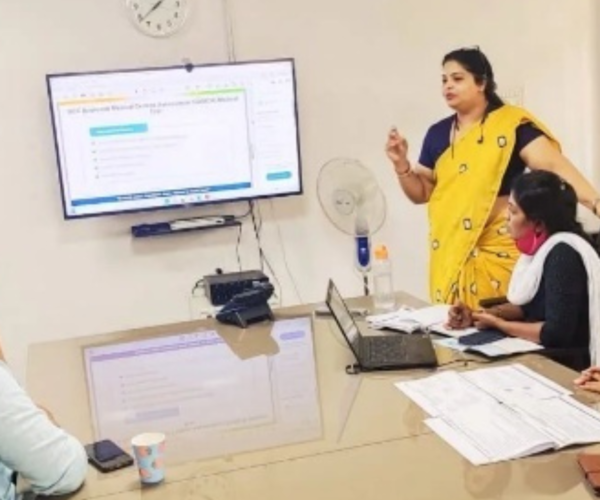

Government training programs are often designed with good intentions but weak execution. Too many sessions focus on attendance, compliance, and completion rather than actual learning and application. At SkillSprint Solutions, we believe effective government training must go beyond information delivery — it must create understanding, ownership, and action.
Drawing from years of training experience across Karnataka, including work with district officials, welfare departments, and field-level stakeholders, one truth becomes clear: a successful government training program is not built around slides — it is built around outcomes.
Relevance Comes Before Content
A training program fails the moment participants feel it does not connect to their role, daily work, or challenges. Government officials, field workers, coordinators, and institutional leaders do not need generic lectures. They need training that reflects the real situations they face on the ground.
When the content is role-specific and problem-driven, participants become far more engaged and responsive.
Adult Learners Need Practical Learning
Government officers and institutional staff are not classroom students. They bring experience, constraints, and expectations into every session. That means training should be practical, interactive, and respectful of their time.
- Real case examples
- Field-based scenarios
- Guided discussion
- Policy interpretation in simple language
Delivery Matters as Much as Design
Even strong content can fail when delivery is weak. A trainer must do more than explain concepts — they must create trust, energy, and clarity in the room.
Government audiences respond best when the trainer can:
- Simplify complex topics
- Connect policy to practice
- Manage diverse participants
- Encourage interaction without losing structure