
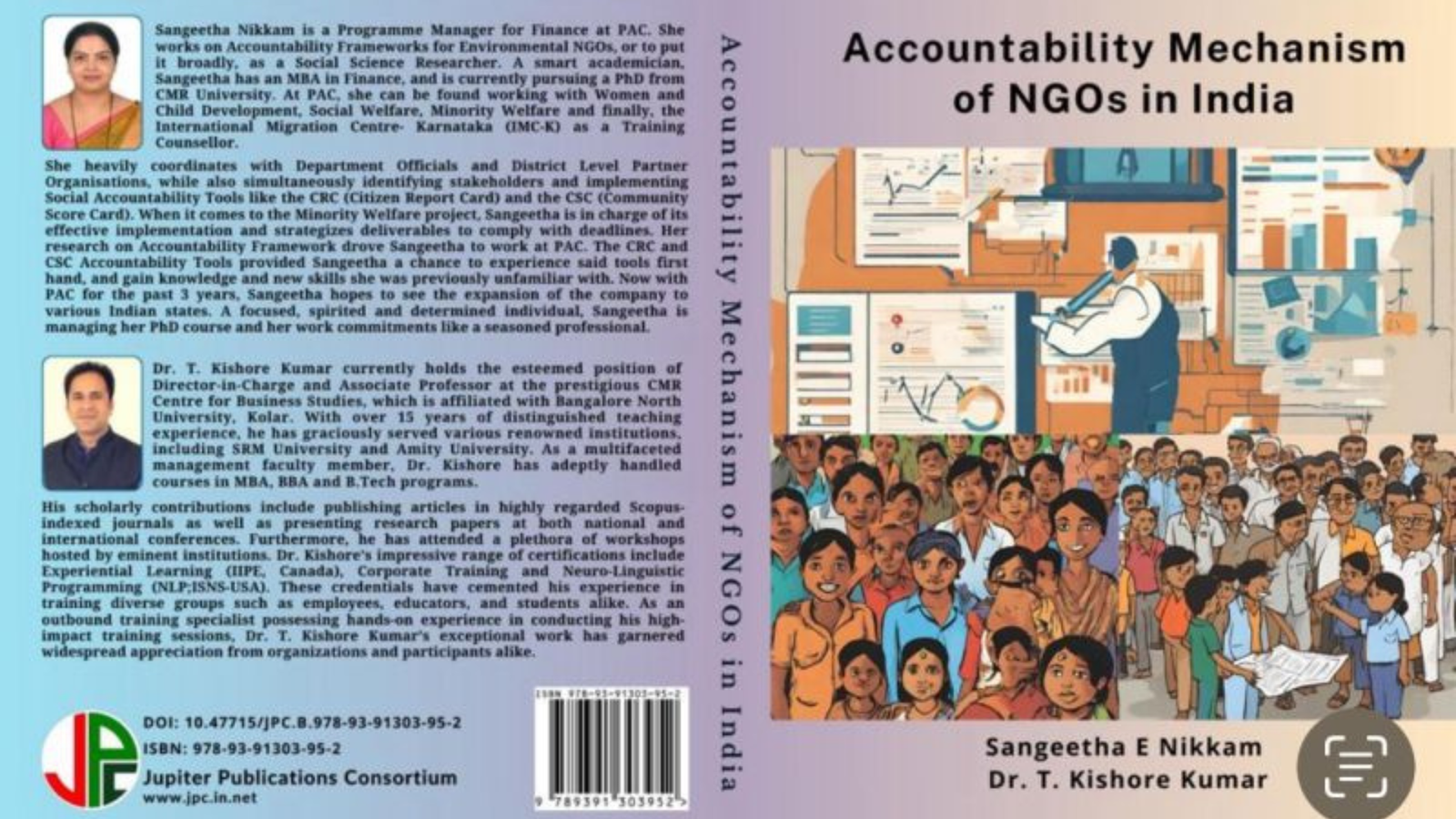
When people hear the word accountability in the NGO sector, they often think only about audits, financial reports, and donor compliance. While these are important, they are only one part of the larger picture. Real accountability is not just about proving how money was spent — it is about showing how trust is built, how decisions are made, and how communities are genuinely served.
For NGOs and social enterprises that want long-term sustainability, accountability must become part of the organization’s culture, systems, and leadership.
Accountability Begins With Trust
An NGO exists to serve people, communities, and causes. That means its credibility depends not only on internal systems, but also on the trust of those it works with — including beneficiaries, donors, staff, partners, and government stakeholders.
When organizations are transparent in communication, clear in purpose, and responsible in decision-making, they create stronger trust and stronger long-term relationships.
Financial Audits Are Necessary, But Not Sufficient
A clean audit is important, but it does not automatically mean an organization is fully accountable. Many NGOs meet reporting requirements but still struggle with weak governance, poor documentation, unclear responsibilities, or inconsistent program execution.
- Clarity in leadership roles
- Transparent decision-making
- Responsible use of resources
- Program-level documentation
Program-level documentation
Organizations that survive and grow over time usually have one thing in common: strong governance.
This means having systems that support:
- Clear reporting structures
- Board and leadership accountability
- Defined operational processes
- Documented policies
- Responsible institutional behavior